
Learn when pulp treatment may be recommended, why saving a baby tooth can matter, and when extraction may be a better option.
By Dr. Camila – Dentist. Last updated: September 2026
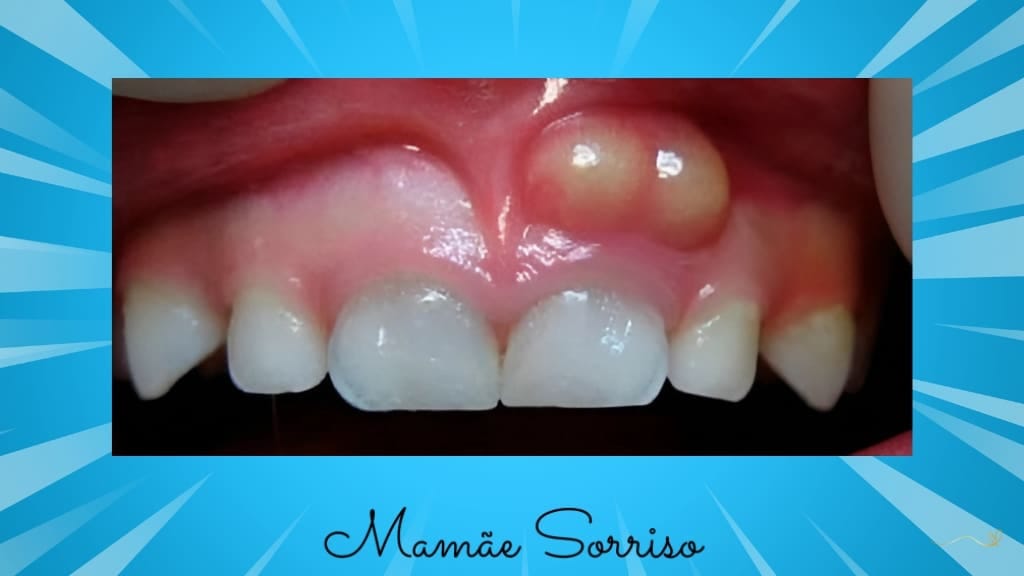
When a pediatric dentist tells you that your child needs a root canal, it is completely normal to wonder:
“But is it really worth doing a root canal on a tooth that is going to fall out anyway?”
I completely understand that concern.
As both a dentist and a mom, I know that parents naturally think about the procedure, the cost, and how much longer that little tooth will actually stay in their child’s mouth.
But there is something important to remember:
Just because a tooth is a baby tooth doesn’t mean it’s disposable.
While it is in your child’s mouth, it has an important job to do.
That’s why the decision to treat or remove a baby tooth shouldn’t be based simply on the fact that “it’s going to fall out.”
Let’s talk about it?
Root canal on a baby tooth: What is it, and when might it be recommended?
Pulp treatment on a baby tooth may be recommended when the inner tissue of the tooth becomes affected by deep decay, trauma, or other changes.
Depending on the condition of the pulp, how extensive the problem is, and which tooth is involved, a pediatric dentist may recommend different types of pulp therapy, such as a pulpotomy or pulpectomy.
Parents often use the term “root canal” to describe these treatments, but technically, they are not exactly the same procedure.
In general, the goal is to control the disease, relieve symptoms when they are present, and preserve the tooth when doing so is possible and beneficial for the child.
And that brings us to the question parents really want answered:
Is it worth saving this baby tooth?
In many cases, yes.
But not in every case.
Why treat a baby tooth if it’s going to fall out?
This is probably one of the biggest questions parents have.
Baby teeth help children chew, speak, and maintain normal oral function during an important stage of development.
And some baby teeth need to stay in the mouth for several years before they are naturally replaced by permanent teeth.
When a baby tooth is lost too early, neighboring teeth can shift into the space that will eventually be needed for the permanent tooth.
Depending on the situation, this may mean additional monitoring or the possible use of a space maintainer.
So, preserving a baby tooth can be a very good choice when that tooth still has an important job to do.
When does a baby tooth need pulp treatment?
The decision depends on the condition of the tooth and its pulp.
For example, a deep cavity can get very close to or reach the pulp.
But here’s something important:
Not every deep cavity automatically means that a child needs a root canal.
The dentist needs to evaluate how deep the decay is, the child’s signs and symptoms, the condition of the pulp, and whether healthy tooth tissue can still be preserved.
Situations that may lead to pulp treatment include:
- Very deep tooth decay
- Pulp exposure during cavity treatment
- Signs of inflammation or infection
- Certain injuries caused by trauma
- Other changes that compromise the health of the pulp tissue
That’s why you can’t determine the right treatment simply by looking at the tooth.
What signs may mean that a baby tooth is compromised?
Some children have very clear symptoms.
Others, especially younger children, may not be able to explain exactly what they’re feeling.
Watch for signs such as:
- Spontaneous tooth pain
- Pain that is worse at night
- Persistent sensitivity
- Difficulty chewing
- Swelling in the gums
- A small bump or draining spot near the tooth
- A change in the tooth’s color
- Pain or sensitivity after an injury
But there’s an important detail parents should know:
No pain does not necessarily mean that the tooth is healthy.
An infection or changes in the pulp can sometimes be present even when a child isn’t complaining about pain.
That’s one reason regular dental checkups are so important.
How is a root canal on a baby tooth performed?
Treatment is adapted to the anatomy of the baby tooth and to the child’s individual needs.
In simple terms, treatment may include several steps:
1. Examination and diagnosis
The dentist examines the tooth and, when necessary, uses dental X-rays or other imaging to help determine the diagnosis and the appropriate treatment.
2. Anesthesia
When indicated, local anesthesia helps keep the child comfortable during the procedure.
3. Tooth isolation
Keeping the treatment area clean and protected from moisture is important for performing the procedure properly.
4. Accessing the inside of the tooth
The dentist accesses the area containing the affected pulp tissue.
5. Pulp treatment
Depending on the diagnosis, the dentist may perform a pulpotomy or pulpectomy, among other treatment options.
6. Sealing and restoring the tooth
After the pulp treatment, the tooth needs to be properly sealed and restored so it can function and remain protected.
In some cases, especially when a significant amount of tooth structure has been lost, a stainless steel crown may be recommended for a baby molar.
Is there a minimum age for a root canal on a baby tooth?
There isn’t one specific age that determines whether a child can or cannot receive this type of treatment.
The decision depends on the child’s clinical needs, the condition of the tooth, the child’s age and development, and whether the treatment can be performed safely and properly.
For very young children, the pediatric dentist also considers behavior and the available options for managing the child’s comfort and cooperation during the appointment.
Every child is different.
That’s why age alone does not determine whether treatment is appropriate.
Root canal or extraction: Which is better?
This is a decision that needs to be made on an individual basis.
If a baby tooth still needs to remain in the mouth for a significant amount of time and it can be properly treated and restored, preserving the tooth may be a good option.
On the other hand, there are situations where extraction may be the more appropriate treatment.
For example, when:
- The tooth is too badly damaged to be restored
- There is a condition that gives the tooth a poor prognosis
- Root resorption is already advanced and the tooth is close to being replaced naturally
- Other clinical factors make preserving the tooth inappropriate
So there is no rule saying “a root canal is always better” or “it’s a baby tooth, so it’s better to pull it.”
The best treatment is the one that makes sense for that particular tooth and that particular child.
What happens if a baby tooth is lost too early?
When a baby tooth needs to be removed earlier than expected, the pediatric dentist needs to consider whether there is a risk of losing space for the permanent tooth.
Depending on which tooth was lost, the child’s age, and how long it is expected to be before the permanent tooth comes in, a space maintainer may be considered.
That does not mean every child who loses a baby tooth early will need one.
Once again, an individual evaluation is essential.
And this is one of the reasons preserving a baby tooth can be worth considering when the tooth can still be appropriately treated.
Does a root canal on a baby tooth hurt?
This is an important concern for parents — and for children, too.
During the procedure, the dentist uses appropriate techniques to control pain and help keep the child comfortable.
Some discomfort may occur afterward, depending on the original condition of the tooth and the type of treatment performed.
The important thing is to follow your pediatric dentist’s instructions and contact the office if your child develops significant pain, swelling, or other unexpected symptoms.
And here’s a little mom-to-mom tip:
Try not to tell your child that the procedure is going to hurt.
Instead, use a simple, positive explanation that makes sense for your child’s age.
How much does a root canal on a baby tooth cost?
This is a difficult question to answer with one fixed price.
The cost can vary considerably depending on:
- Your location
- The dental professional
- The type of procedure
- Which tooth is involved
- The complexity of the case
- Whether X-rays or other exams are needed
- The type of restoration required
- Whether additional behavior-management techniques are needed
For that reason, I wouldn’t use one fixed price as a reference in this article.
The dentist should provide an estimate after examining your child.
And most importantly, don’t choose a treatment based on price alone.
What matters most is understanding the diagnosis, the available options, and what each option means for your child’s oral health.
What happens after treatment?
Treatment doesn’t mean the follow-up is over.
Your pediatric dentist will need to monitor the tooth to make sure it remains healthy, the restoration continues to function properly, and the permanent tooth is developing as expected.
Depending on the case, follow-up X-rays or other examinations may be recommended.
At home, keep an eye out for changes such as:
- Pain
- Swelling
- A draining bump or fistula
- Changes in the restoration
- A broken tooth or restoration
- Difficulty chewing
If you notice any of these changes, contact your child’s dentist.
Is a root canal on a baby tooth worth it?
When a baby tooth still needs to remain in the mouth, preserving its function can be very important — as long as the tooth can be properly treated and restored.
But I don’t like answering this question with a simple “yes” or “no.”
Because there are cases where saving the tooth is an excellent choice.
And there are cases where extraction is safer or more appropriate.
The decision should take into account the condition of the tooth, the child’s age, the stage of development of the permanent tooth, how long the baby tooth is expected to remain, and whether the tooth has a good prognosis for treatment.
Root canal on a baby tooth: What I want you to take away from this post
If your pediatric dentist has recommended a root canal for your child, don’t think only:
“But this tooth is going to fall out…”
Ask instead:
“How much longer does this tooth need to stay?”
“Can we save this tooth?”
“What are the alternatives?”
“What happens if we remove it now?”
These questions can help you make a much more informed decision than simply comparing the price of one procedure with another.
And remember:
A baby tooth is still a tooth.
While it’s in your child’s mouth, it deserves care, attention, and proper follow-up.
With love,
Dr. Camila – Mommy Smile ❤️
Mom, your idea is always welcome!
Want to suggest topics, questions, or subjects you’d love to see here on Mommy Smile? I’d truly love to hear from you
Send your suggestion or message via email:
[email protected]Frequently Asked Questions About Root Canals on Baby Teeth
1. Does a baby tooth really need a root canal?
Not always. The need for pulp treatment depends on the condition of the tooth, the extent of decay or damage, the health of the pulp, and how long the tooth is expected to remain in the mouth. A pediatric dentist should evaluate the tooth before recommending treatment.
2. Is a root canal on a baby tooth worth it?
It can be, especially when the tooth still needs to remain in the mouth for a significant amount of time and can be successfully treated and restored. However, extraction may be a better option when the tooth cannot be restored or has a poor prognosis.
3. What is the difference between a pulpotomy and a pulpectomy?
Both are types of pulp therapy, but they are not the same procedure. A pulpotomy removes the affected pulp tissue from the crown of the tooth while preserving healthy tissue in the roots. A pulpectomy involves removing pulp tissue from the canals of the tooth. The appropriate treatment depends on the condition of the pulp and the tooth.
4. Can a baby tooth have an infection without hurting?
Yes. A baby tooth can sometimes have an infection or changes in the pulp without causing obvious pain. That’s why signs such as gum swelling, a draining bump, changes in tooth color, or problems with chewing should be evaluated by a pediatric dentist.
5. Does a root canal on a baby tooth hurt?
The goal of treatment is to keep the child comfortable and control pain during the procedure. Some discomfort may occur afterward, depending on the condition of the tooth and the treatment performed. Your pediatric dentist will provide specific aftercare instructions.
6. What happens if a baby tooth has to be pulled early?
When a baby tooth is lost earlier than expected, nearby teeth may shift into the space needed for the permanent tooth. Depending on the child’s age, which tooth was lost, and how soon the permanent tooth is expected to come in, the dentist may consider a space maintainer.
7. How long does a baby tooth need to stay in?
It depends on the individual tooth and the child’s stage of dental development. Some baby teeth naturally remain in the mouth for several years. Your pediatric dentist can evaluate the tooth and estimate how much longer it is expected to remain.
8. Is a baby tooth root canal safe for young children?
Pulp treatment can be performed in children when it is clinically indicated and the dentist determines that the procedure can be completed safely and appropriately. The child’s age, development, dental condition, and ability to cooperate during treatment are all considered.
9. How much does a root canal on a baby tooth cost?
There isn’t one standard price. The cost depends on the type of pulp treatment, the tooth involved, the complexity of the case, the restoration needed, your location, and other factors. Your pediatric dentist can provide an estimate after examining your child.
10. Should I choose a root canal or extraction for my child’s baby tooth?
That’s a decision to make with your child’s pediatric dentist. Ask how long the tooth is expected to remain, whether it can be restored successfully, what the alternatives are, and what could happen if the tooth is removed early.
Posts you’ll love
Have You Visited Joia da Mamãe?
A magical place full of love, motherhood, and fun adventures!
Educational stories and magical adventures for kids
Games, parenting tips, fun activities, and family-friendly content
Discover amazing adventures with Tino Around the World and special content for the whole family!
Stories • Activities • Music • Fun • Learning
If you enjoyed this content from Mamãe Sorriso, you’ll LOVE Joia da Mamãe!
A magical universe filled with adventures, learning, and love!
Because learning through play makes childhood even more magical!