
Learn how long a dental filling can last in children, what affects its longevity, and how to help keep your child’s restored tooth healthy.
By Dr. Camia, dentist. September, 2026.
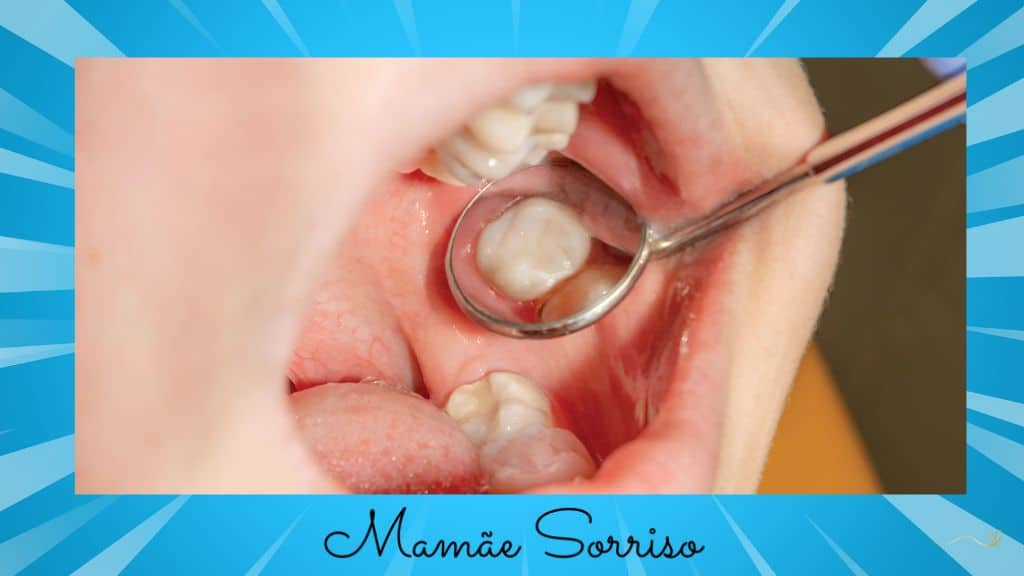
“Doctor, is it really worth getting this filling? How long will it last?”
That’s a question I hear from parents quite often.
And honestly, I completely understand the concern.
When your child needs a filling, you want to know that the treatment will last, that you won’t have to go through the procedure again soon, and that you’re making the best choice for your child’s smile.
But there’s something important I always explain to parents:
There isn’t one exact number of years that applies to every dental filling.
How long a filling lasts depends on several things, including the size of the restoration, which tooth was treated, how much chewing force it receives, oral hygiene, eating habits, and your child’s individual needs.
So instead of focusing only on “How many years will it last?”, let’s look at what actually helps a filling last longer.
How long does a dental filling last in a child?
A dental filling can remain in good condition for several years, but there is no guaranteed lifespan for every child or every restoration.
This is especially important when we’re talking about baby teeth.
A baby tooth has a natural timeline. Sometimes a filling can remain perfectly functional until the tooth is naturally lost and replaced by a permanent tooth.
Permanent teeth are different. Since they are meant to last for many years, a filling may need to be monitored, repaired, or replaced at some point depending on how it holds up over time.
So when a parent asks me, “How long will my child’s filling last?”, my honest answer is:
It depends on the tooth, the filling, and the child.
And there are a few important reasons why.
What is a dental filling?
A dental filling is used to repair a tooth after decay has damaged part of its structure.
For many children’s fillings, tooth-colored composite resin is an excellent option because it can blend naturally with the surrounding tooth.
I sometimes explain it to children as rebuilding the part of the tooth that was damaged.
During the procedure, the dentist removes the decayed portion, prepares the tooth, and places the restorative material in the area that needs to be rebuilt.
The composite resin is hardened with a special dental light and then shaped and polished so that the tooth can function comfortably again.
With children, there’s another important part of the process that isn’t written in any material specification:
Helping the child feel safe and comfortable during treatment.
Good communication and age-appropriate behavior guidance can make a big difference.
What affects how long a child’s dental filling lasts?
This is probably the most important part for parents.
The longevity of a filling isn’t determined by the material alone.
1. The size of the filling
A small filling replacing a limited area of tooth structure has different demands than a large restoration.
The more tooth structure that has been lost, the more important it becomes to consider how much chewing force the restored tooth will receive.
2. Which tooth was restored
A front tooth and a back molar don’t experience the same forces.
Molars are used heavily for chewing and can place greater mechanical demands on a restoration.
That’s one reason the location and size of a filling matter when we’re thinking about how long it may last.
3. Oral hygiene
A filling can be perfectly intact while the tooth around it is still vulnerable to new decay.
Brushing twice a day with fluoride toothpaste, using the appropriate amount for your child’s age, and cleaning between the teeth when needed are all important parts of protecting the tooth.
And this is worth emphasizing:
A filling treats the damaged part of a tooth. It doesn’t make the tooth immune to future cavities.
4. Eating habits
Frequent exposure to sugary foods and drinks can increase the risk of new cavities.
It’s not only about how much sugar a child consumes. How often the teeth are exposed to sugar throughout the day matters too.
Good eating habits can help protect both the restored tooth and the rest of your child’s smile.
5. Teeth grinding or clenching
Some children grind or clench their teeth, particularly during sleep.
When a tooth is exposed to repeated or excessive forces, a restoration may experience additional wear.
If you’ve noticed your child grinding or clenching, mention it to their dentist so it can be evaluated in context.
6. Moisture control during the procedure
Composite resin restorations require careful technique and good moisture control during placement.
Saliva and moisture can interfere with the bonding process.
This can be especially challenging with younger children, which is why proper isolation and a technique appropriate for the child’s age and cooperation are important parts of treatment.
Make Brushing Time Fun (and Stress-Free!)
Turn your child’s brushing routine into a magical 2-minute experience No more struggles — just smiles and healthy habits!
START THE 2-MINUTE TIMERLoved by parents & kids
What if the filling is in a baby tooth?
This is one of the questions parents ask me most often:
“If the baby tooth is going to fall out anyway, why does it need a filling?”
Because baby teeth still matter.
They help children chew, speak, and maintain the space needed for permanent teeth developing underneath them.
When a baby tooth has decay that requires treatment, the goal is to keep that tooth healthy and functional for as long as it is needed.
And here’s something reassuring:
If a filling stays in good condition until the baby tooth is naturally replaced, that is a successful outcome.
It doesn’t mean the filling “only lasted a few years.”
It did exactly what it needed to do.
When does a child’s dental filling need to be replaced?
A filling doesn’t automatically need to be replaced just because it has reached a certain age.
Your child’s dentist needs to evaluate its condition.
Some signs that deserve attention include:
- part of the filling has broken or come out;
- your child has pain or sensitivity;
- food is repeatedly getting trapped around the area;
- the filling looks significantly worn or damaged;
- there is new decay around the filling;
- the tooth has changed in appearance;
- your child has trouble chewing comfortably.
But here’s an important point:
Not every problem means the entire filling needs to be replaced.
Depending on the situation, a dentist may sometimes be able to repair part of a restoration rather than removing and replacing all of it.
The right approach depends on the individual tooth.
How can you help your child’s filling last longer?
Once the treatment is complete, the basics of good oral care become especially important.
🪥 Brush twice a day
Help your child brush twice a day with fluoride toothpaste, using an amount appropriate for their age.
Pay particular attention to nighttime brushing.
🧵 Clean between the teeth
When your child’s teeth touch, cleaning between them is important because a toothbrush cannot adequately reach every surface.
🍭 Limit frequent sugar exposure
You don’t have to turn childhood into a long list of forbidden foods.
But reducing how often your child’s teeth are exposed to sugary foods and drinks can make a big difference in preventing new cavities.
👩⚕️ Keep regular dental appointments
Even when a filling looks completely fine, it should still be checked during routine dental visits.
Your child’s dentist can identify changes that may be difficult for parents to notice at home.
Is composite resin always the best filling material for children?
Not necessarily.
This is another point I like to make clear to parents:
The best restorative material depends on the individual case.
Tooth-colored composite resin is an excellent option in many situations, particularly when aesthetics are important and adequate moisture control can be achieved.
But other restorative materials may also be appropriate depending on your child’s age, the location and extent of the decay, cavity risk, cooperation during treatment, and other clinical factors.
So I wouldn’t choose a filling material simply because someone says it “lasts the longest.”
The material needs to be appropriate for the tooth and for the child.
How long does a dental filling last in a child? What really matters
If you came here hoping for one exact number, I may have given you a different answer than you expected.
There is no countdown clock telling us when a filling needs to be replaced.
A dental filling can remain in good condition for years, but its longevity depends on many factors.
What matters most is that the restoration is appropriate for the tooth, properly placed, well cared for, and monitored over time.
And with baby teeth, there’s one more thing to consider: when that tooth is naturally expected to be replaced.
So rather than simply counting the years, it’s more helpful to ask:
“How is the filling and the tooth doing right now?”
When should you take your child to the pediatric dentist?
If your child has a filling and you’ve noticed something has changed, you don’t necessarily need to wait until they have significant pain.
It’s a good idea to contact their pediatric dentist if you notice:
- pain or sensitivity;
- a broken filling;
- part of the filling has come out;
- swelling or changes in the nearby gum;
- difficulty chewing;
- food repeatedly getting stuck around the tooth;
- signs that decay may have returned.
And even when everything seems fine, regular dental checkups are still important.
Children grow quickly and their mouths change right along with them. ❤️
How long does a dental filling last in a child? The most important thing to remember
If there’s one message I’d love for you to take away from this article, it’s this:
Don’t choose a filling based only on how many years you expect it to last.
What matters is choosing the right treatment for your child’s situation, taking good care of the tooth afterward, and having it monitored over time.
A well-maintained filling can last for many years.
And when we’re talking about a baby tooth, it may even remain in good condition until the tooth is naturally replaced by a permanent one.
So if you’re worried because your child’s filling is already a few years old, take a breath.
The age of the filling alone doesn’t tell us whether it needs to be replaced. Your child’s dentist can determine that by examining the tooth.
With love,
Camila – Mommy Smile ❤️
Mom, your idea is always welcome!
Want to suggest topics, questions, or subjects you’d love to see here on Mommy Smile? I’d truly love to hear from you
Send your suggestion or message via email:
[email protected]FAQ – Frequently Asked Questions
1. How long do fillings last in kids?
A dental filling can last for several years, but there is no single lifespan that applies to every child. The size and location of the filling, the tooth involved, oral hygiene, eating habits, and chewing forces can all affect its longevity.
2. Does a filling in a baby tooth need to be replaced?
Not necessarily. If the filling remains in good condition, it may continue functioning until the baby tooth is naturally lost. Your child’s dentist can monitor it during routine visits.
3. Can a child’s filling fall out?
Yes, it can happen. A filling may become damaged or dislodged because of wear, new decay, chewing forces, or other factors. If part of a filling comes out, contact your child’s dentist for an evaluation.
4. How can I tell if my child’s filling has a problem?
Pain, sensitivity, a broken or missing portion of the filling, food repeatedly getting stuck, or difficulty chewing are all reasons to have the tooth checked.
5. Does a filling prevent another cavity from forming?
No. A filling repairs the damaged portion of the tooth, but it doesn’t prevent future decay. Good brushing, fluoride toothpaste, healthy eating habits, and regular dental care are still essential.
6. Can my child eat normally after getting a filling?
Your dentist will give you specific instructions based on the procedure. If your child received local anesthesia, be especially careful while the mouth is numb so they don’t accidentally bite their lip, cheek, or tongue.
7. Can every cavity in a child be treated with composite resin?
Not necessarily. The best treatment depends on the extent of the decay, which tooth is affected, your child’s age, cavity risk, cooperation during treatment, and other clinical factors.
8. Does an older filling automatically need to be replaced?
No. A filling doesn’t need to be replaced simply because it has been there for a certain number of years. Its condition and the health of the tooth are what matter.
Posts you’ll love
Have You Visited Joia da Mamãe?
A magical place full of love, motherhood, and fun adventures!
Educational stories and magical adventures for kids
Games, parenting tips, fun activities, and family-friendly content
Discover amazing adventures with Tino Around the World and special content for the whole family!
Stories • Activities • Music • Fun • Learning
If you enjoyed this content from Mamãe Sorriso, you’ll LOVE Joia da Mamãe!
A magical universe filled with adventures, learning, and love!
Because learning through play makes childhood even more magical!