
Find out when the procedure is necessary, costs, benefits and alternatives.
By Dr. Camila – Dentist.
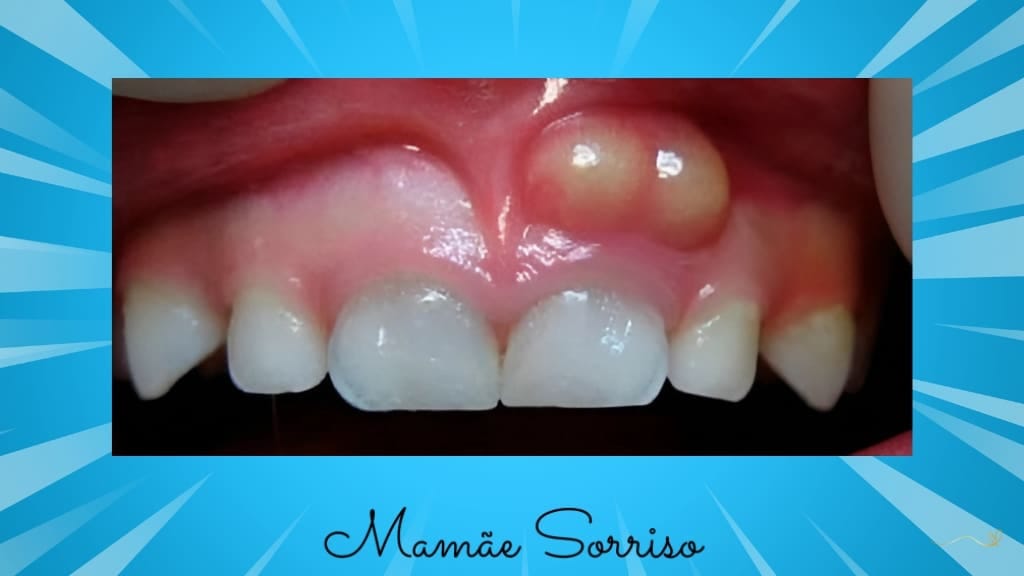
When your child’s dentist talks about root canal treatment for a baby tooth, it’s normal to feel butterflies in your stomach. After all, is it worth investing in an “expensive” procedure for a tooth that’s just going to fall out?
As a dentist and a mother, I completely understand this question that haunts so many parents in my office. It’s one of the most frequently asked questions I receive, and today I’ll explain everything so you can make the best decision for your child.
In this comprehensive guide, you’ll discover when root canal treatment is truly necessary for baby teeth, how the procedure works, and when it’s worth it (and when it’s not). Let’s talk openly about this topic that generates so much anxiety!
Root Canal Treatment for Baby Teeth: What Is It and When Is It Recommended?
Root canal treatment for baby teeth, also called pulpotomy or pulpectomy, is a procedure that removes the infected or inflamed dental pulp from inside the tooth. It’s like a “deep cleaning” to save a compromised tooth.
Contrary to what many parents think, it’s not an “unnecessary procedure” just because the tooth is about to fall out. Baby teeth have extremely important functions until the time comes for them to fall out naturally, which can take years.
The procedure is indicated when the pulp (the tooth’s “nerve”) is compromised, but there is still enough dental structure to keep the tooth in the mouth until it naturally exfoliates.
🌸 Spaces that inspire and care
Discover other projects created with delicacy and purpose, to welcome each stage of motherhood with affection:
- 💎 Mommy’s Jewel Blog – Name inspiration, care and self-esteem for the maternal journey.
- 🎵 Enchanted Smile Channel – Charming songs and stories that teach with lightness.
Can Root Canal Treatment Be Done on Baby Teeth?
Yes, it can and should be done when indicated! Baby teeth have their own anatomy and specific techniques for root canal treatment, adapted to children’s needs.
The big difference is that baby teeth have roots that naturally reabsorb as the permanent teeth develop. Therefore, techniques are modified to respect this natural process.
The procedure is completely viable and safe when performed by an experienced pediatric dentist, who is familiar with the anatomical and behavioral characteristics of children.
When is Root Canal Treatment Necessary for Baby Teeth?
There are specific situations where root canal treatment is necessary to preserve a child’s oral health. I’ll explain the main indications so you can better understand.
Deep Cavity Need Root Canal Treatment?
Not all deep cavities require a root canal, but when the cavity reaches the dental pulp (the “nerve”), endodontic treatment becomes necessary. Infected pulp cannot heal on its own and can cause severe pain and infection.
If the cavity is treated before it reaches the pulp, a simple filling can solve the problem. That’s why regular preventive checkups are so important!
Very extensive cavities that leave little healthy tooth structure may also indicate the need for a root canal to strengthen the tooth.
Signs that a Tooth Needs a Root Canal
Some signs indicate that the pulp is compromised and may require endodontic treatment:
- Spontaneous pain (mainly at night)
- Extreme sensitivity to hot or cold that does not go away
- Swelling of the gums near the tooth
- Tooth color change (darkening)
- Fistula (small ball with pus on the gum)
- Abnormal tooth mobility
Emergency Situations
Dental trauma that exposes the pulp may also indicate emergency root canal treatment. Falls, bumps, or fractures that affect the “nerve” require immediate treatment.
Acute infections with facial swelling, fever, and severe pain are also situations that may require urgent endodontic treatment.
What is Root Canal Treatment for Baby Teeth?
The procedure for baby teeth is adapted to the anatomical and behavioral characteristics of children. I’ll explain how it works so you can rest easy.
Step by Step Procedure
1. Anesthesia: We apply local anesthesia to ensure that the child does not feel pain during the procedure.
2. Isolation: We place a rubber sheet to keep the field clean and protect the child.
3. Opening: We make a small opening in the tooth to access the compromised pulp.
4. Cleaning: We carefully remove the infected pulp from the pulp chambers and, when necessary, from the root canals.
5. Disinfection: We clean and disinfect the entire inside of the tooth with specific solutions.
6. Filling: We place a biocompatible material that does not interfere with the natural reabsorption of the roots.
7. Restoration: We close the tooth with a strong restoration, often a crown.
Differences in the Root Canal in Permanent Teeth
Root canal treatment for baby teeth has some important features:
- Filling material: We use materials that reabsorb along with the roots
- Most conservative technique: We preserve the tooth structure as much as possible
- Shorter time: The procedure is usually faster
- Adapted anesthesia: Dosages and specific techniques for children
Duration
The procedure usually takes between 30 and 60 minutes, depending on the complexity of the case and the child’s cooperation. In some cases, it may be necessary to split the procedure into two sessions.
Very young or uncooperative children may require conscious sedation to ensure successful treatment.
What Age Can You Get a Root Canal?
There is no strict minimum age for root canal treatment on baby teeth. What determines viability is clinical need and the child’s ability to cooperate.
I’ve performed endodontic treatments on children as young as 2 years old, when necessary. The key is to have adapted techniques and a lot of patience to deal with each age group.
For very young children (under 3 years of age), we assess on a case-by-case basis whether conscious sedation is necessary to ensure the success of the procedure.
The child’s cooperation is essential for the success of the treatment. Therefore, we use playful techniques and prior adaptation whenever possible.
Benefits of Root Canal Treatment for Baby Teeth
Keeping baby teeth in the mouth through endodontic treatment brings important benefits that many parents are unaware of:
- Maintaining space for permanent teeth to erupt correctly
- Preservation of age-appropriate masticatory function
- Normal speech and pronunciation development
- Maintaining the child’s aesthetics and self-esteem
- Prevention of future orthodontic problems
- Avoids psychological trauma from more invasive procedures
- Maintains facial harmony and symmetry
- Preserves the health of adjacent teeth
- Avoids the use of space maintainers
Root Canal or Extraction: Which is the Best Choice?
This is probably the most common question parents have: is a root canal or a tooth extraction more worthwhile? The answer depends on several factors, which I’ll explain.
When Is It Not Better to Extract a Tooth?
Premature extraction of baby teeth can have serious consequences for a child’s oral development. When the natural loss of teeth is still years away, keeping the tooth is almost always the best option.
Front teeth have a direct impact on a child’s appearance, speech, and self-esteem. Losing them prematurely can cause significant psychological trauma.
Baby molars are essential for proper chewing and maintaining space for the permanent premolars.
Advantages of Keeping Your Tooth
Maintaining natural teeth through endodontic treatment offers advantages that no prosthesis or appliance can completely replace:
Preserved chewing function: The natural tooth offers the best chewing efficiency.
Normal development: Maintains the necessary stimuli for adequate bone growth.
Long-term savings: Avoids future costs of corrective orthodontics.
When Extraction Is the Best Option
There are situations where extraction may be more indicated than endodontic treatment:
- Extensive coronary destruction with no possibility of restoration
- Advanced root resorption (close to natural exchange)
- Recurrent infections that do not respond to treatment
- Lack of cooperation from the child during the procedure
- Family financial limitations
- Persistent fistulas after treatment attempts
| Aspecto | 🦷Tratamento de Canal | 🔧Extração |
|---|---|---|
| Preservação | Mantém o dente natural na boca | Remove o dente definitivamente |
| Função Mastigatória | 100% preservada | Comprometida até reposição |
| Estética | Aparência natural mantida | Falha estética (principalmente anteriores) |
| Desenvolvimento da Fala | Não afetado | Pode alterar pronúncia |
| Manutenção do Espaço | Espaço naturalmente preservado | Necessita mantenedor de espaço |
| Custo Inicial | R$ 600 – R$ 2.500 | R$ 200 – R$ 600 |
| Custo Total | Menor a longo prazo | Maior (mantenedor + possível ortodontia) |
| Tempo de Tratamento | 30-60 minutos + acompanhamento | 15-30 minutos |
| Colaboração Necessária | Alta (criança deve ficar parada) | Mínima |
| Risco de Complicações | Baixo com especialista | Baixo (mas vale lembrar que é um procedimento mais invasivo) |
| Indicação Principal | Quando há tempo suficiente para troca natural e estrutura dental adequada | Quando o dente está muito destruído ou próximo da troca natural |
How Much Does a Root Canal Treatment Cost for a Baby Tooth?
The cost of root canal treatment for children varies greatly depending on the region, the complexity of the case, and the professional chosen. In 2025, average costs will range from R$600 to R$2,500 per tooth.
Factors that influence value:
- Geographic location (large centers are more expensive)
- Experience of the specialist professional
- Need for conscious sedation
- Case complexity (number of channels)
- Type of final restoration required
It is worth remembering that this investment can save much greater future costs with corrective orthodontics, prosthetics or implants.
Long-term cost comparison: Root canal + crown vs. extraction + space maintainer + possible future orthodontics often makes the root canal more cost-effective.
Important Points About Treatment
Some care and information are essential for the success of root canal treatment in baby teeth.
Post-Procedure Care
The first steps after treatment are essential for success:
First 24 hours:
- Avoid very hard or sticky foods
- Apply ice externally if there is swelling
- Administer analgesic as prescribed
- Maintain gentle oral hygiene in the region
First week:
- Soft diet in the first few days
- Careful brushing around the treated tooth
- Avoid chewing on the initially treated side
Necessary Monitoring
Post-treatment follow-up is essential to monitor the success of the procedure:
Follow-up appointments: Normally after 15 days, 3 months, 6 months and then every six months.
Control radiographs: To assess root healing and resorption.
Clinical monitoring: Verification of restoration integrity and periodontal health.
Warning Signs
Some signs may indicate complications and should be reported immediately:
- Severe pain that does not improve with painkillers
- Swelling that increases after 48 hours
- Persistent fever
- Fistula (small lump with pus) on the gum
- Abnormal tooth mobility
- Progressive darkening of the tooth
- Restoration failure
Conclusion
Root canal treatment for baby teeth is a safe, effective, and often necessary procedure to preserve a child’s oral health. The decision between root canal and extraction is made by the dentist, and individual factors such as age, natural tooth replacement time, and the child’s cooperation should always be considered.
As a dentist and mother, I can confirm that investing in preserving baby teeth through endodontic treatment brings benefits that go far beyond financial savings. We’re talking about proper development, self-esteem, and quality of life for children.
The most important thing is to find a trusted pediatric dentist, clarify any doubts, and make the best decision for your child.
Remember: each case is unique and deserves individualized evaluation!
I hope this topic helped you! Leave your comments and questions. If you prefer, you can contact me at [email protected].
Warm hugs and see you next time everyone!
Camila, Mommy Smile.
FAQ – Frequently Asked Questions
1. Does root canal treatment on baby teeth hurt? With adequate anesthesia, the child will not feel pain during the procedure. There may be mild postoperative discomfort, which can be controlled with analgesics.
2. How long does it take to perform a root canal on a baby tooth? The procedure lasts between 30 and 60 minutes and can be divided into two sessions depending on the child’s cooperation.
3. Do baby teeth with root canals need a crown? Not always, but often. The crown protects the weakened tooth and ensures greater durability until it naturally replaces itself.
4. Can a root canal in a baby tooth cause problems? As with any procedure, there may be complications, but they are rare when performed by an experienced specialist and with adequate monitoring.
5. Can a small child do a root canal? Yes, with proper techniques and, if necessary, conscious sedation. I’ve successfully performed it on children as young as 2 years old.
6. Is it normal for the tooth to darken after a root canal? Slight darkening may occur, especially on front teeth. There are techniques to minimize this aesthetic effect.
7. Does a root canal in a baby tooth prevent natural replacement? It doesn’t prevent it. The treatment uses materials that reabsorb along with the roots, allowing natural exchange.
8. When to seek a second opinion? Whenever you have doubts about the need for treatment or when the child experiences persistent pain after previous procedures.
Complement your reading: Why are baby teeth so important?
Follow more posts about Children’s Oral Health
🌸 Spaces that inspire and care
Discover other projects created with delicacy and purpose, to welcome each stage of motherhood with affection:
- 💎 Mommy’s Jewel Blog – Name inspiration, care and self-esteem for the maternal journey.
- 🎵 Enchanted Smile Channel – Charming songs and stories that teach with lightness.