
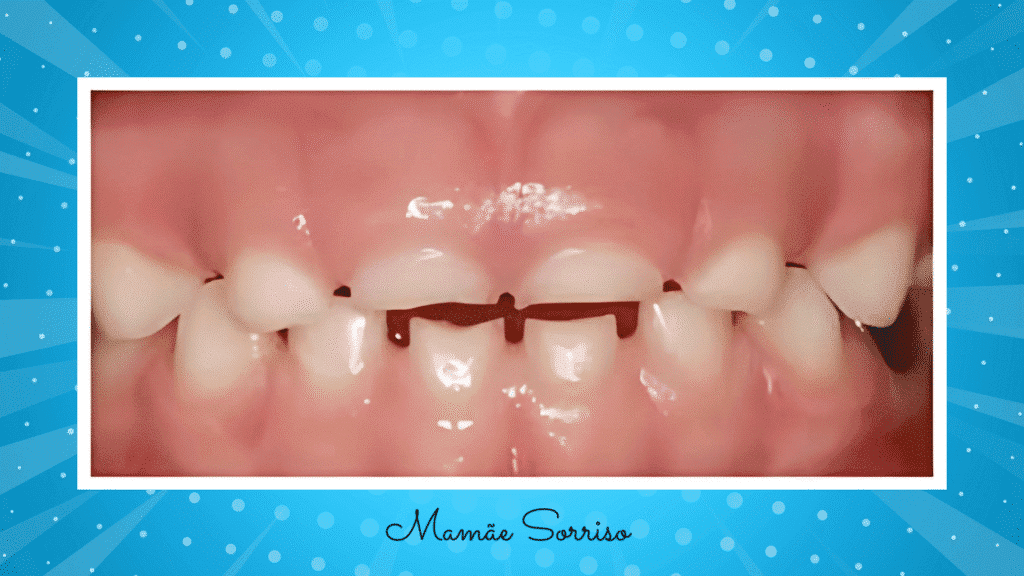
Find out how to identify bruxism in children, what causes the problem, and the best treatments to protect your child’s smile.
Por Dra. Camila, Cirurgiã-Dentista
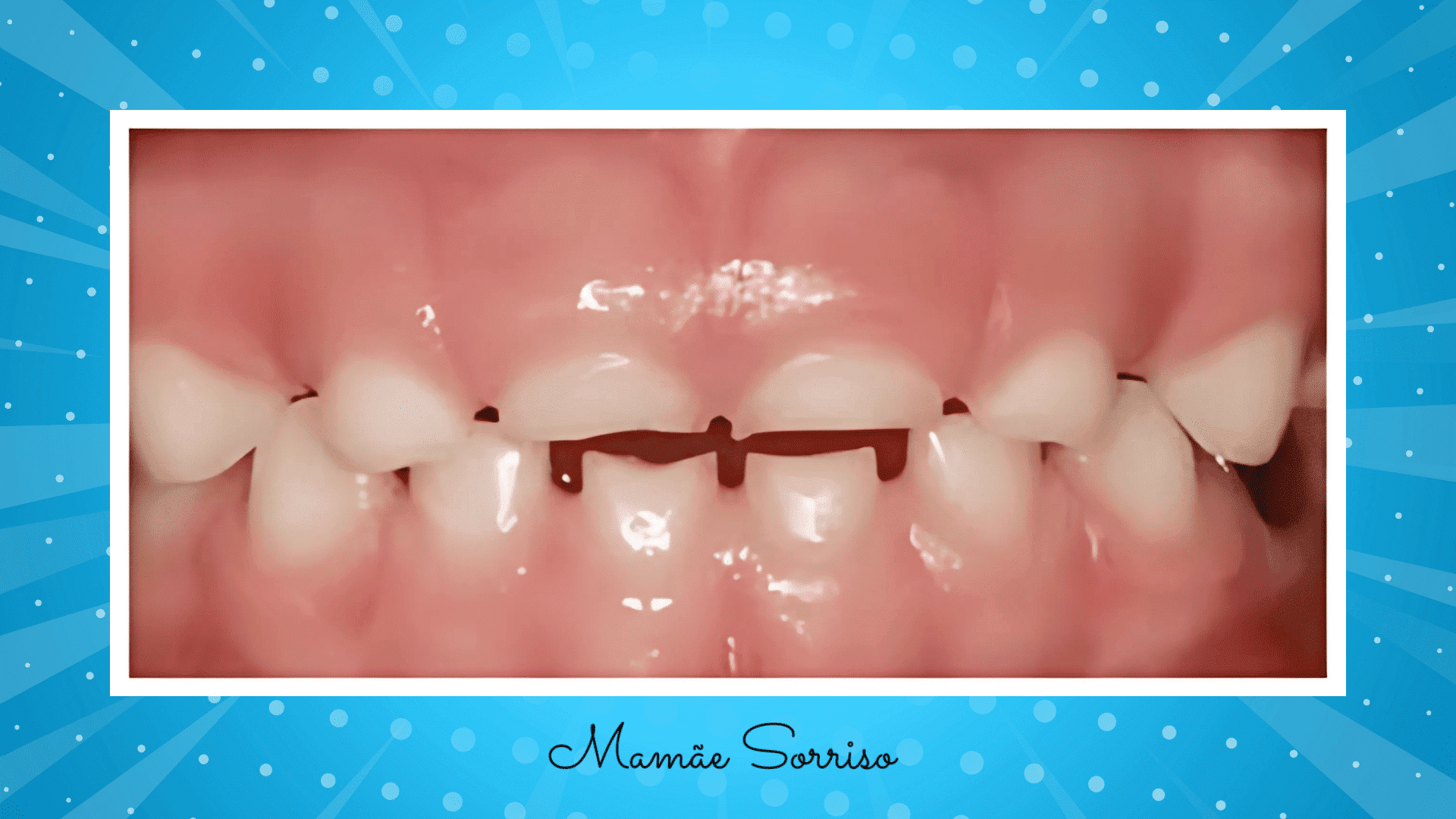
Have you ever noticed your child grinding their teeth while sleeping? This practice, called bruxism, is more common than you might think in children. But what causes this habit, and what are its consequences?
What is childhood bruxism?
Childhood bruxism is the habit of clenching or grinding teeth involuntarily, especially during sleep.
Although it may seem harmless, this behavior can cause tooth wear, facial pain, and even sleep disturbances.
Many parents only notice when they hear the noise at night or when their child complains of discomfort.
Childhood Bruxism: Causes and Treatment
The main causes of childhood bruxism include:
- Anxiety and stress: changes in routine, school tests or even excessive stimulation before bed.
- Dental malocclusion: when the teeth do not fit together well, causing friction.
- Changing teeth: common during growth phases, when baby teeth and permanent teeth coexist.
- Family history: if parents or siblings have ever had bruxism.
- Neurological or respiratory changes (more rare).
The treatment of childhood bruxism must be individualized and may involve:
- Regular pediatric dental follow-up.
- Dental protection plates for more severe cases.
- Routine changes to reduce stress.
- Physiotherapy or child psychology, when necessary.
- Relaxing techniques before bed, such as stories, soft music, or guided breathing.
Symptoms of bruxism in children
It’s essential to observe these signs daily. The most common are:
- Irritation and tiredness during the day.
- Grinding or clenching your teeth while sleeping.
- Visible tooth wear.
- Headaches upon waking.
- Restless sleep or nighttime awakenings.
- Pain in the jaw, face or neck.

Causes and possible solutions for childhood bruxism
| Cause | How it appears | Possible solution |
|---|---|---|
| Anxiety or stress | Restless sleep, nighttime groaning | Relaxing routine, breathing techniques |
| Dental malocclusion | Teeth do not fit together well | Pediatric dental follow-up |
| Changing teeth | Mixed dentition phase | Light monitoring by the dentist |
| Family history | Parents or siblings have had | Ongoing observation |
Long-term consequences of childhood bruxism
When left untreated, bruxism can cause:
- Severe tooth fractures and wear.
- Problems with chewing and even speaking.
- Changes in the TMJ (jaw joint).
- Poor quality sleep, impacting mood and concentration.
These consequences show the importance of acting early.
Mild vs. moderate vs. severe symptoms
| Mild | Moderate | Severe |
|---|---|---|
| Occasional grinding | Frequent jaw pain | Severe tooth wear |
| Slightly restless sleep | Regular headaches | Tooth fractures and difficulty chewing |
| Few visible signs | Visible wear on teeth | Changes in the TMJ |
How parents can help in everyday life
Some simple precautions make a difference:
- Create a relaxing bedtime routine.
- Avoid electronics close to bedtime.
- Talking about feelings, reducing anxiety.
- Encourage light play and quiet reading.
- Observe the child sleeping from time to time.

When to see a dentist
Seek care if:
- Teeth grinding is frequent and intense.
- There is visible wear on the teeth.
- The child complains of constant headaches.
- Sleep is recurrently impaired.
A pediatric dentist can recommend the appropriate treatment to prevent future complications.
Conclusion
Childhood bruxism requires attention, but with early diagnosis and proper care, the problem can be controlled.
Attentive parents ensure not only a healthy smile, but also more peaceful nights of sleep and a better quality of life for their child.
I hope you enjoyed today’s topic. Share in the comments if you’ve ever faced this problem and how you dealt with it.
If you have any questions, I’m here to help! You can contact me via email or in the comments. Don’t worry, your comments will only appear here after I approve them!
Warm Hugs,
Camila, Mommy Smile.
FAQ – Frequently asked questions about childhood bruxism
1. What is childhood bruxism?
It is the involuntary act of grinding or clenching teeth, common in children.
2. What are the main causes of childhood bruxism?
Anxiety, dental malocclusion, tooth replacement and family history.
3. What are the symptoms of bruxism in children?
Nighttime grinding, headaches, tooth wear and restless sleep.
4. Is there a treatment for childhood bruxism?
Yes. It includes pediatric dental follow-up, protective splints, and routine changes.
5. How to treat childhood bruxism naturally?
With relaxing routines, stress reduction and breathing techniques.
6. Can bruxism go away on its own?
In some cases, yes, especially during the changing of teeth.
7. Can bruxism affect baby teeth?
Yes, it can wear them down and impact the arrival of permanent teeth.
8. What is the difference between sleep and awake bruxism?
The sleep one occurs unconsciously at night, and the waking one appears during the day in moments of tension.
9. When should I see a dentist?
When symptoms are frequent, there is constant pain or visible wear on the teeth.
10. Does stress really cause childhood bruxism?
Yes. Emotional changes are one of the factors most associated with the problem.
🌸 Spaces that inspire and care
Discover other projects created with delicacy and purpose, to welcome each stage of motherhood with affection:
- 💎 Mommy’s Jewel Blog – Name inspiration, care and self-esteem for the maternal journey.
- 🎵 Enchanted Smile Channel – Charming songs and stories that teach with lightness.
Reading tips:
Posts about Children’s Oral Health
Posts about Tips and Tricks to use with your little ones