
Brushing your teeth at night is one of the most important times of the day. Learn why and its implications for your oral health.
Por Dra. Camila, Cirurgiã-Dentista
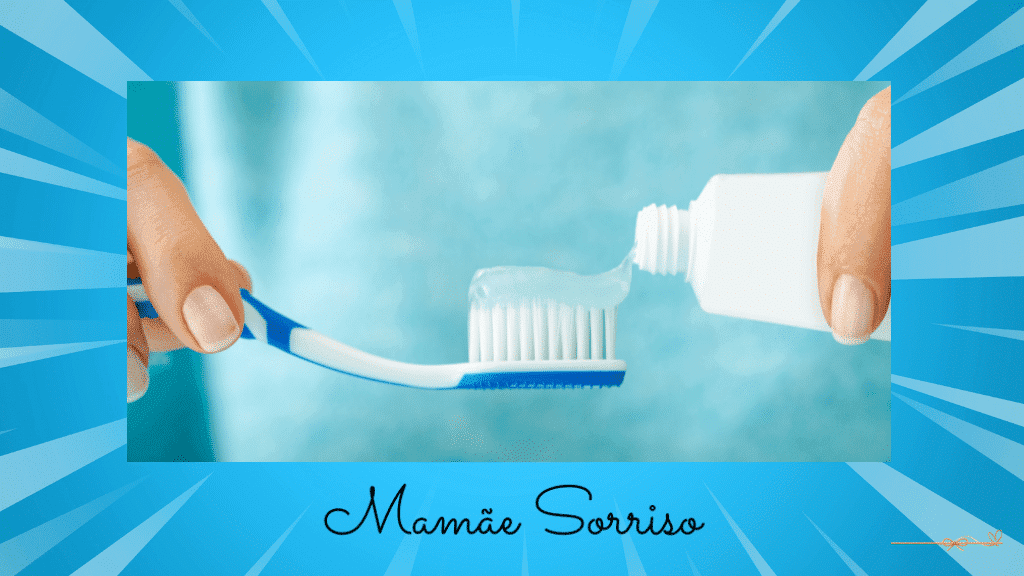
Did you know that nighttime brushing is one of the most important practices to ensure the oral health of our little ones?
In the hustle and bustle of everyday life, it can be easy to forget or downplay the importance of this moment, but the truth is that it is essential for preventing cavities, gingivitis, and other dental problems.
I always make a point of emphasizing here the importance of taking good care of our children’s smiles, and today I’m going to tell you why brushing your teeth before bed is essential.
Ready for this next journey?! Let’s go then!
Why Is Nighttime Brushing Important and Different?
During the day, our children eat, drink, and have fun. The food they consume leaves residue in their mouths, which often builds up as plaque. At night, the amount of saliva produced decreases considerably while we sleep.
Saliva is a natural protector of teeth, helping to neutralize acids and eliminate food particles. When saliva is reduced, teeth have less protection, which is precisely why oral hygiene before bed is so important.
When children are sleeping, the body is in a state of rest and renewal. The immune system is working hard to rebuild and regenerate tissue—just like the mouth. But when teeth and fat are covered by food and plaque, the body’s natural healing response can be impaired, leading to inflammation and damage that can be easily prevented with a simple brushing regimen.
What Happens If You Don’t Brush Your Teeth at Night?
Skipping your nighttime brushing may seem harmless, but over time, it can cause major problems. Bacteria in your mouth feed on food debris and, at night, have the perfect environment to multiply.
This can lead to plaque buildup, which in turn can cause cavities, gingivitis, and even tooth loss in more severe cases.
Furthermore, not brushing your teeth at night can contribute to bad breath. When bacteria build up in the mouth, especially on the tongue and hard-to-reach areas, they release compounds that are responsible for the bad smell.
This can be uncomfortable not only for the child, but also for the parents who help maintain oral hygiene.
The Correct Way to Brush and Floss Your Teeth

Proper brushing and flossing techniques make all the difference in preventing cavities and other oral health problems. Here’s a simple step-by-step guide to ensure your little ones are doing everything right:
Brushing Your Teeth:
Amount of Toothpaste:
Use a small amount of fluoride toothpaste, about the size of a grain of rice for children under three years old, and about the size of a pea for children over that age.

Brush Position:
Place the brush at a 45-degree angle to the gums.

Circular Movements:
Using gentle, circular motions, brush all surfaces of your teeth – the front, back, and chewing areas.
Brush your tongue:
Don’t forget to brush your tongue to remove bacteria and keep your breath fresh.

Using Dental Floss:
- Floss Amount: Cut about 18 inches of dental floss and wrap most of it around each middle finger, leaving 2 inches of floss to work with.
- Gentle Motion: Hold the floss firmly between your thumbs and index fingers and gently slide it up and down between your teeth.
- “C” Shape: Curving the floss in a “C” shape around each tooth, gently slide it under the gum line, ensuring each side of the teeth is cleaned.

The Importance of Creating a Routine
I always like to emphasize here the importance of creating a brushing routine.
When brushing teeth becomes a habit, children learn from an early age the importance of this care.
Make nighttime brushing a special moment, perhaps by singing a little song, using an hourglass to tell time, or choosing a fun toothbrush.
A consistent routine not only helps maintain oral health, but also teaches responsibility and discipline from an early age.
When children understand that nighttime brushing is part of their daily ritual, they begin to see it as something natural and necessary, just like putting on pajamas or listening to a bedtime story.
How to Make Nighttime Brushing More Efficient
Tips to make brushing more efficient:
- Floss: Even if your teeth are separated, flossing can help remove debris that your toothbrush can’t reach. This is especially important at night, when your teeth need to be as clean as possible.
- Choose the Right Toothbrush and Toothpaste: Use a toothbrush with soft bristles and a small head appropriate for the size of your child’s mouth. The toothpaste should contain fluoride, but remember to use only a small amount (about the size of a grain of rice for small children).
- The Correct Technique: Teach your child to brush all teeth, including the molars, which are harder to reach. Gentle circular motions are ideal, and it’s important not to forget the tongue, where many bacteria accumulate.
- Make Brushing Your Teeth a Time to Connect: This can be an opportunity for you and your child to connect after a long day. Talk about their day, share stories, and make this ritual more than just a chore—make it a time of affection and attention.
- Use songs and videos to capture little ones’ attention: visual materials help in this process. On my YouTube channel, Enchanted Smile, you’ll find many videos.
Tips to Encourage Nighttime Brushing
- Make It Fun: Kids love to have fun, so why not turn brushing into a game? Create challenges, like who can brush best or who can sing the loudest song while brushing. (Read more about How to Make Brushing Your Teeth Fun.)
- Be the Example: Children learn a lot from watching their parents. Make nighttime brushing a family moment where everyone brushes their teeth together.
- Reward Effort: Small rewards, like stickers or an extra bedtime story, can encourage your child to stick to their brushing routine.
Nighttime Brushing: A Care That Lasts a Lifetime
Oral health begins in childhood and lasts a lifetime. By teaching the importance of nighttime brushing from an early age, you’re helping your child develop healthy habits that will protect them from future dental problems.
I believe that every smile deserves to be cared for with all the love and care, and nighttime brushing is an essential part of that care.
Conclusion:
I hope you enjoyed today’s topic. Don’t forget that taking care of our children’s oral health is a testament to our love.
Nighttime brushing may seem like a small detail, but it makes all the difference in preventing dental problems. And by creating a fun and consistent routine, you’ll ensure your little one has a healthy, happy smile for life.
Remember: a well-groomed smile starts the night before!
Don’t forget to leave your comments and questions, okay? I’ll be happy to answer!
Warm hug,
Camila, Mommy Smile.
FAQ – Why nighttime brushing is important for your little one’s smile
1. Why is nighttime brushing so important for children’s oral health?
Nighttime brushing is essential because it removes food debris and plaque that build up during the day. Sleeping without brushing your teeth facilitates the growth of bacteria, increasing the risk of cavities and gingivitis.
2. What happens if the child goes to sleep without brushing their teeth?
When a child goes to bed without brushing their teeth, bacteria find a perfect environment to thrive while they sleep. This can cause bad breath, plaque buildup, stained teeth, and even toothaches caused by cavities.
3. What is the relationship between nighttime brushing and preventing cavities in children?
Nighttime brushing is the most important time for preventing cavities, as saliva production decreases while children sleep. Without the protection of saliva, teeth are more exposed to acidic bacteria.
4. Does nighttime brushing help keep your smile healthy from an early age?
Yes! Brushing your child’s teeth at night creates a healthy oral hygiene routine and prevents future problems. This habit strengthens baby teeth and paves the way for stronger, more beautiful permanent teeth.
5. What is the best way to encourage nighttime brushing in children?
Making brushing your teeth fun makes all the difference. Using songs, stories, or colorful toothbrushes can motivate children to brush their teeth before bed and understand that this habit is essential for taking care of their smile.
6. Is brushing only in the morning enough to protect children’s teeth?
No. Morning brushing is important, but it doesn’t replace nighttime brushing. At night, food debris stays in contact with teeth longer, making brushing before bed essential for children’s oral health.
7. At what age should I start brushing my child at night?
Brushing should begin as soon as the first baby tooth appears. From an early age, it’s important for parents to brush their teeth at night to prevent early childhood cavities.
8. Is it necessary to use dental floss when brushing children’s teeth at night?
Yes, especially when baby teeth are already touching. Flossing helps remove food debris from between teeth that a toothbrush can’t reach, ensuring a cleaner, healthier smile.
9. Can nighttime brushing affect a child’s overall health?
Yes, you can. Good nighttime oral hygiene reduces inflammation, improves breathing, and even contributes to a more restful sleep, as it prevents pain and discomfort caused by dental problems.
10. What type of toothpaste is recommended for children’s nighttime brushing?
Ideally, use children’s toothpaste with fluoride in the amount recommended by your dentist or pediatrician. Fluoride strengthens enamel and protects against cavities, especially at night, when teeth are most vulnerable.
🌸 Spaces that inspire and care
Discover other projects created with delicacy and purpose, to welcome each stage of motherhood with affection:
- 💎 Mommy’s Jewel Blog – Name inspiration, care and self-esteem for the maternal journey.
- 🎵 Enchanted Smile Channel – Charming songs and stories that teach with lightness.
READING TIP:
How to Make Brushing Your Teeth Fun
Follow our posts with TIPS and TRICKS on children’s oral health!