
Discover how to identify baby bottle tooth decay, its symptoms, and essential care to protect your baby’s healthy smile.
Por Dra. Camila, Cirurgiã-Dentista
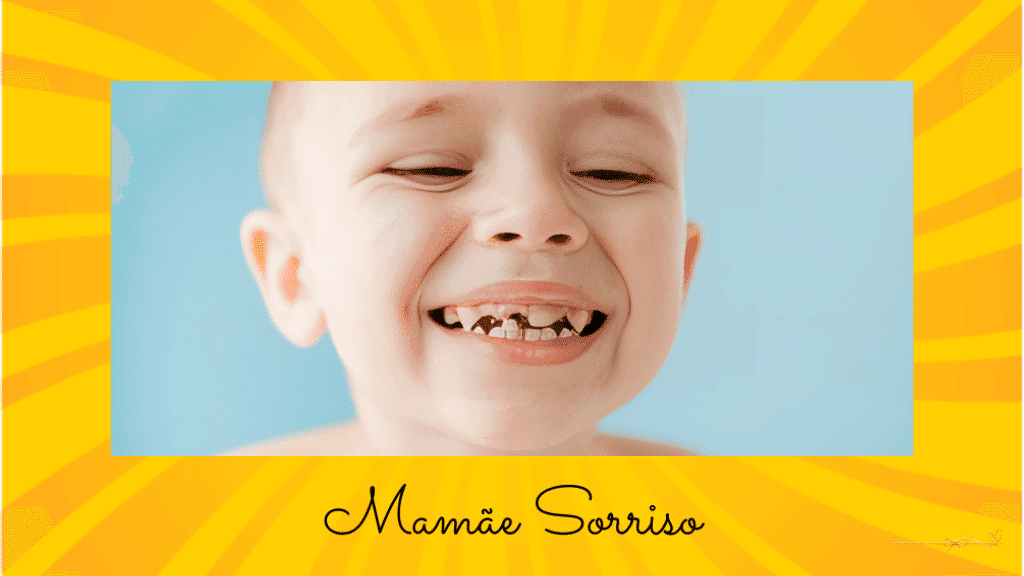
Hello, moms and dads!
This is Mamãe Sorriso, and today we’re going to talk about a very important topic for our little ones’ smiles: baby bottle tooth decay.
I know that as parents, we always want the best for our children, and dental health is an essential part of that care.
Let’s understand everything about baby bottle tooth decay and how we can protect our babies’ teeth.
What is Baby Bottle Caries?
Baby bottle caries, also known as early childhood caries, is a type of caries that affects the teeth of babies and young children. This condition is caused by frequent exposure of the teeth to sugary liquids, such as milk, formula, juices and even sugar water. Baby bottle caries usually occurs in the front teeth, but can affect other teeth as well.
Caries begins when bacteria in the mouth turn the sugars in liquids into acids, which erode tooth enamel. Over time, this can lead to the formation of visible cavities, pain and even infections.
Causes of Baby Bottle Caries
There are several causes of baby bottle caries, and understanding these is the first step to preventing it:
- Prolonged Bottle Use: Letting your baby sleep with a bottle or allowing them to use it for long periods exposes their teeth to sugar for longer.
- Prolonged breastfeeding: Breastfeeding frequently during the night, when saliva production is lower, can increase the risk of cavities.
- Juices and sugary drinks: Offer juices or other sugary drinks in bottles or training cups.
- Lack of oral hygiene: Not cleaning your baby’s teeth regularly allows bacteria to grow and multiply.
Symptoms of Baby Bottle Caries
Identifying baby bottle caries early is crucial for effective treatment. Here are some signs to look out for:
- White spots on the teeth: The first sign of tooth decay can be opaque white spots near the gum line.
- Discolored teeth: Teeth can turn yellowish, brown or black.
- Sensitivity: The baby may show signs of discomfort when eating or drinking hot, cold or sweet things.
- Pain: More advanced cavities can cause pain, leading the baby to cry or become irritable.
Prevention of Baby Bottle Caries
Preventing baby bottle caries is possible with a few simple but very effective precautions. Here are some important tips:
- Avoid sleeping with a bottle: Avoid letting your baby sleep with a bottle in their mouth. If they need comfort to sleep, offer them a pacifier without sweetened liquids.
- Clean Baby’s Teeth: Even before the first teeth appear, clean baby’s gums with a damp gauze pad or soft cloth after each feed.
- Introduce the sippy cup: From the age of six months, start introducing the transition cup so that your baby gets used to drinking without a bottle.
- Be careful with juices: Avoid giving sugary juices in the bottle. Instead, offer natural juices in little glasses.
- Proper brushing: As soon as the first tooth appears, start brushing your baby’s teeth with a soft-bristled brush and age-appropriate toothpaste.
| Symptoms | Prevention | Treatment |
|---|---|---|
| White or yellow spots on the front teeth | Avoid nighttime bottle feedings with sweetened liquids | Fluoride application by a pediatric dentist |
| Gradual darkening of teeth | Clean your mouth after each feeding | Restoration of baby teeth |
| Sensitivity or pain when chewing | Introduce the use of a transition cup from 1 year onwards | Treatment to control pain and preserve the tooth |
| Visible cavities in front teeth | Brushing with fluoride toothpaste (minimal amount) | Regular follow-up with a pediatric dentist |

Treatment of Baby Bottle Caries
If baby bottle caries has already set in, it’s important to seek treatment as soon as possible. Your dentist can recommend it:
Fluoride Application:
Fluoride application is a simple and effective procedure that can help prevent and treat cavities, including baby bottle caries. Fluoride is a mineral that strengthens tooth enamel, making it more resistant to the acid attacks of the bacteria that cause cavities.
How it works: The dentist applies a layer of fluoride directly to the baby’s teeth. This can take the form of a gel, foam or varnish.
Benefits: Reduces the risk of cavities, repairs the initial stages of demineralization and strengthens teeth.
Frequency: Fluoride can be applied during regular visits to the dentist, usually every six months.
Dental sealants:
Dental sealants are a thin, plastic protective layer that the dentist applies to the chewing surfaces of your child’s molar and premolar teeth. They act as a physical barrier against food debris and bacteria that cause cavities.
How it works: The dentist cleans and dries the teeth, applies a liquid that helps the sealant adhere, and then applies the sealant to the surfaces of the teeth.
Benefits: Sealants can prevent up to 80% of cavities in areas where they are applied, as they close the grooves and fissures where cavities usually form.
Duration: They can last several years, but it’s important to check them during regular visits to the dentist to make sure they’re still in good condition.
Dental restorers:
When baby bottle caries has already caused significant damage, dental restorations may be necessary. This involves removing the decayed part of the tooth and replacing it with a restorative material.
Types of Materials: Restorations can be made with different materials, including composite resin, silver amalgam, porcelain or gold.
Procedure: The dentist removes the decayed part of the tooth, cleans out the cavity and fills it with the chosen restorative material. For baby teeth, composite resins are often used because they are aesthetic and safe.
Benefits: Restoring a decayed tooth prevents decay from progressing and protects the tooth structure, preserving chewing function and aesthetics.

How to Introduce Healthy Habits
Creating healthy habits from an early age is essential to prevent baby bottle caries. Here are some tips:
- Oral hygiene routine: Establish an oral hygiene routine from an early age. Brush your baby’s teeth three times a day, especially before bedtime.
- Balanced diet: Eat a balanced diet, rich in fruit, vegetables and natural foods, avoiding excess sugar.
- Education: Teach your child about the importance of looking after their teeth in a fun and educational way.
Additional Prevention Tips
- Choosing a Bottle and Nipple: Use quality bottles and nipples that are clean and don’t accumulate residue.
- Diet control: In addition to avoiding sugar, limit your intake of sticky, carbohydrate-rich foods, which can also contribute to the formation of cavities.
- Use of fluoride: Talk to your dentist about applying fluoride to your baby’s teeth, as it helps to strengthen the tooth enamel.
Tips for parents
As moms and dads, there are some practices we can adopt on a daily basis to protect our little ones’ smiles even more:
- Modeling Good Habits: Brush your teeth together with your child so they can see how important it is to take care of their oral health.
- Oral health education: Teach your child from an early age about the importance of brushing their teeth and good oral hygiene.
- Constant monitoring: Keep an eye on your child’s teeth and make regular appointments with the dentist.
- Care of pacifiers: Avoid dipping pacifiers in sweet substances before giving them to the baby.
Baby bottle tooth decay is a condition that can be prevented with simple and effective care. As a smiling mom, I know that every mom and dad’s dream is to see their babies grow up healthy and happy.
Taking care of our little ones’ oral health is one of the first steps to ensuring they have a beautiful, healthy smile for life. Remember, prevention starts at home with good daily habits and regular dental visits.
Myths and Truths about Baby Bottle Caries
Myth: Milk teeth don’t need care because they will fall out.
Truth: Milk teeth are essential for oral health and the proper development of speech and chewing.
Myth: Bottle decay only occurs in children who bottle-feed at night.
Truth: Although more common at night, bottle caries can occur at any time if proper care is not taken.
Myth: Bottle feeding doesn’t cause cavities if it’s done with sugar-free liquids.
Truth: Even sugar-free liquids can cause cavities if teeth are not cleaned properly.

Parents’ stories
I’m going to share some stories of parents who have experienced bottle caries and how they managed to overcome this challenge. These stories can inspire and help other parents to adopt effective preventive practices.
The Story of Mary and Little John
Maria, mother of little João, noticed white spots on her son’s teeth when he was just one year old. Worried, she took João to the dentist, who confirmed that he had bottle caries. With professional advice, Maria began to clean João’s teeth more often and changed his bottle for a transition cup. Today, João has a healthy, happy smile.
Carla’s journey with Sofia
Carla noticed that her daughter Sofia was getting irritable during mealtimes. When she took Sofia to the dentist, she discovered that the little girl had baby bottle caries. After treatment with fluoride and some fillings, Carla adopted a strict oral hygiene routine and a balanced diet for Sofia. Today, Sofia loves brushing her teeth and has a lovely smile.
Conclusion
Caring for your baby’s smile is a demonstration of love and care. With these tips and care, you can protect your little one’s teeth and ensure a healthy, happy smile.
Remember, prevention is the best medicine, and with small changes in your routine, you can avoid baby bottle tooth decay and many other dental problems.
I hope this article has helped you to better understand bottle caries and how to prevent it. If you have any questions or suggestions, please leave them in the comments. Let’s take care of our little ones’ smiles together!
Affectionate hugs,
Mommy Smile.
FAQ (Frequently Asked Questions)
1. What is baby bottle caries?
Baby bottle caries, or early childhood caries, is a condition in which children’s milk teeth suffer damage due to frequent exposure to sugary liquids such as milk, juices and even sugar water, especially when the baby sleeps with the bottle.
2. How does baby bottle caries develop?
When a baby falls asleep with a bottle or is frequently fed sugary liquids, the bacteria in the mouth feed on these sugars and produce acids that erode the tooth enamel, causing tooth decay.
3. What are the signs of baby bottle tooth decay?
The most common signs include white or yellowish spots on the teeth, small holes (cavities), darkened teeth, persistent bad breath and tooth sensitivity when touching or eating cold food.
4. Can baby bottle caries affect permanent teeth?
Although baby bottle decay affects milk teeth, it can also affect permanent teeth, as milk teeth serve as a guide for the growth of permanent teeth. Untreated decay can lead to problems with alignment and future tooth development.
5. How can I prevent bottle caries in my baby?
To prevent bottle caries, it is important to prevent babies from sleeping with bottles containing sugary liquids, to perform oral hygiene from an early age, to limit the intake of juices and sweet foods, and to take the child to the dentist as soon as the first tooth appears.
6. Does bottle caries only affect milk or other liquids too?
Although breast milk and infant formula are not considered the main causes, any liquid that contains sugar, such as juices and even sweetened water, can contribute to the development of bottle caries if the child keeps these liquids in their mouth for too long, especially while they sleep.
7. Can my child fall asleep with a bottle of water without the risk of tooth decay?
Yes, water does not contain sugars that feed the bacteria that cause cavities, so there is no risk of cavities when your baby falls asleep with a bottle of water. However, it’s always best to avoid any bottles before bedtime to ensure oral health.
8. How do I know if my child has baby bottle caries?
If you notice white or yellowish spots on your child’s teeth, or if they show discomfort when eating cold food, this could be a sign of caries. Consult a children’s dentist for a detailed assessment.
9. What treatments are available for baby bottle caries?
Treatment depends on the stage of decay. It may involve the application of fluoride to remineralize the teeth, restorations for deeper cavities or, in more serious cases, the extraction of compromised milk teeth.
10. When should I take my child to the dentist for the first time?
Ideally, the first visit to the dentist should take place as soon as the first tooth appears, or at the latest at 1 year of age. This will help ensure that your baby’s teeth develop in a healthy way and will allow the dentist to apply preventative measures, such as fluoride.
READING TIPS:
Follow the Blog Posts about Children’s Oral Health
Also follow the posts about Dental Treatments
🌸 Spaces that inspire and care
Discover other projects created with delicacy and purpose, to welcome each stage of motherhood with affection:
- 💎 Mommy’s Jewel Blog – Name inspiration, care and self-esteem for the maternal journey.
- 🎵 Enchanted Smile Channel – Charming songs and stories that teach with lightness.